

What Providers Need Before Starting the Credentialing Process
Provider credentialing is a critical step for healthcare professionals who want to join insurance networks and receive reimbursement for their services. Before you begin the process, you must have several key documents, identifiers, and registrations in place.
When you prepare these items in advance, you reduce delays and move through credentialing more efficiently.
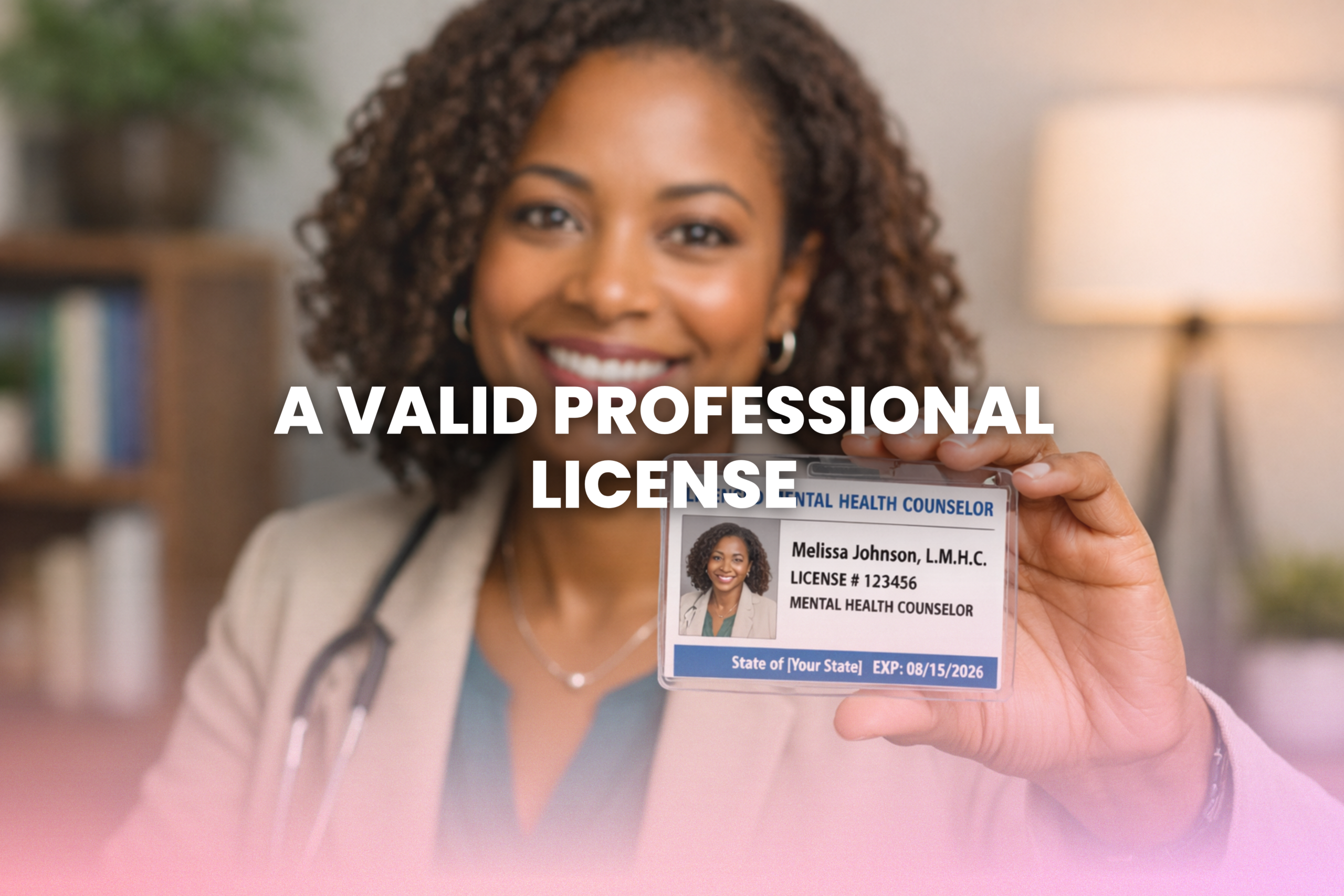
A Valid Professional License
First, you must have an active and unrestricted professional license in the state where you plan to provide services. Insurance companies verify this license to confirm that you are legally authorized to practice.
If you plan to work in multiple states, you will need a valid license in each state before submitting credentialing applications.
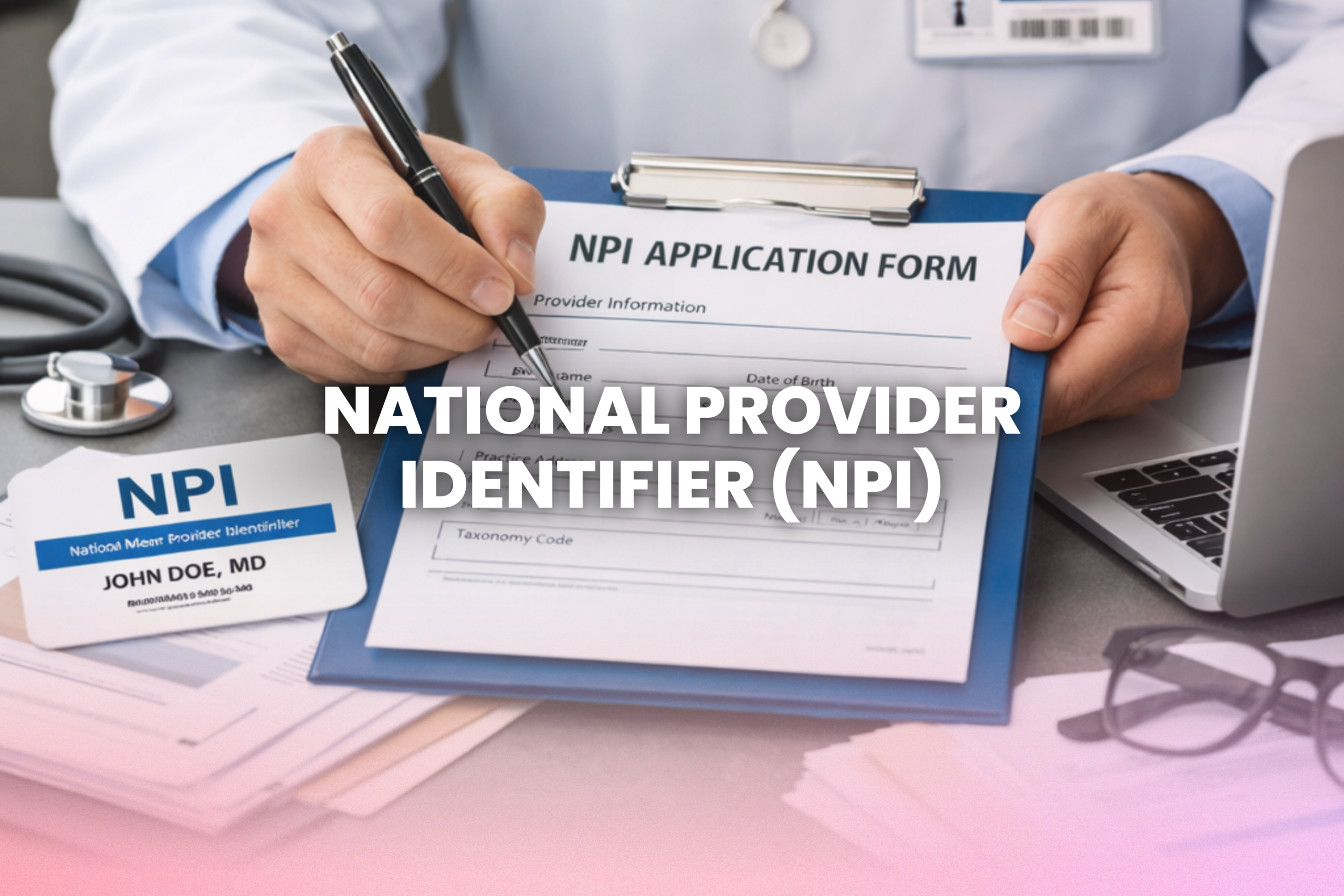
National Provider Identifier (NPI)
Next, every healthcare provider must obtain a National Provider Identifier (NPI) through the National Plan and Provider Enumeration System (NPPES). This unique number allows insurance companies to identify and track providers within the healthcare system.
Typically, individual providers receive a Type 1 NPI, while organizations and group practices use a Type 2 NPI.
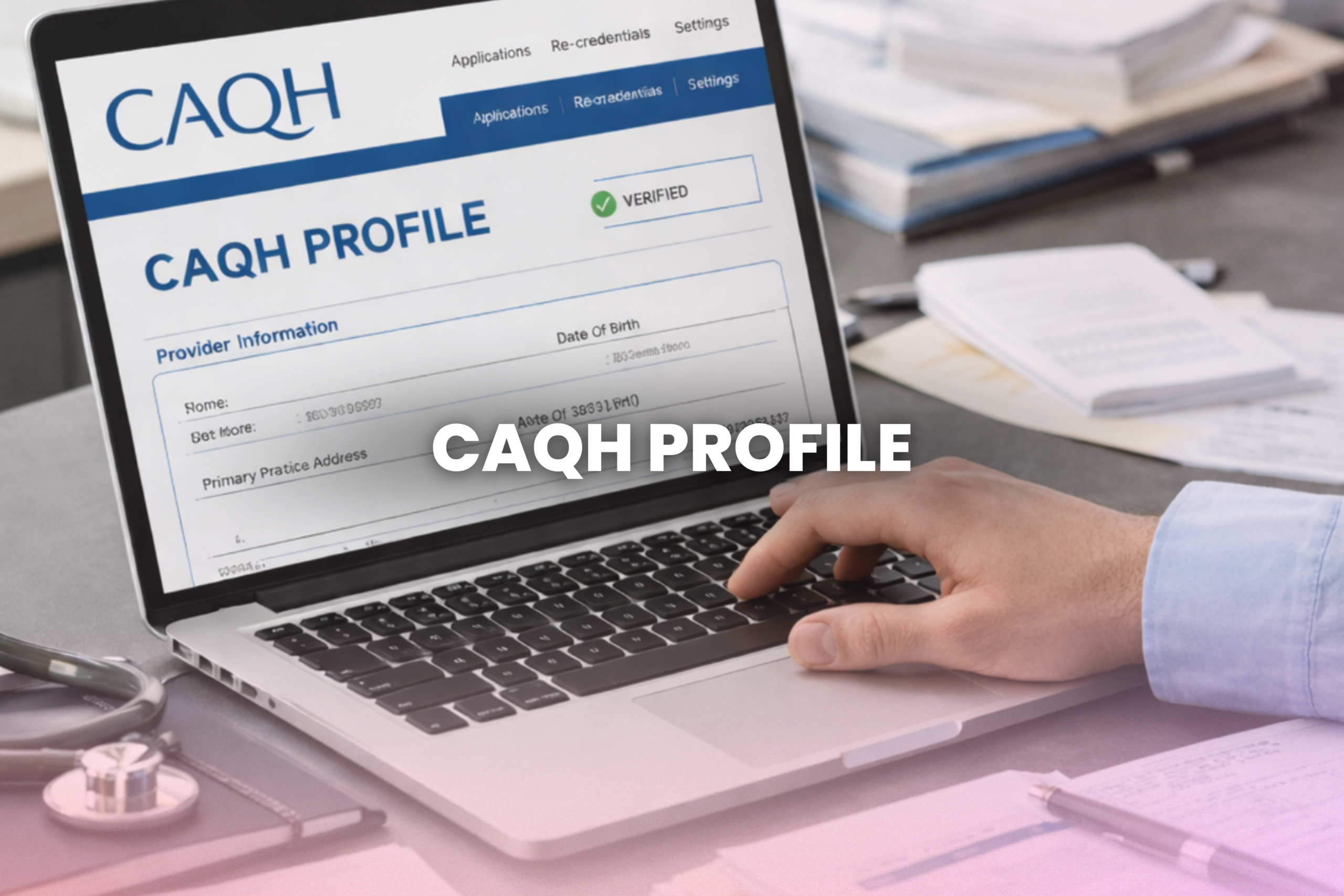
CAQH Profile
In addition, many insurance companies rely on CAQH (Council for Affordable Quality Healthcare) as a centralized database for provider information. By completing a CAQH profile, you can submit your credentials once and share them with multiple insurance companies.
Your CAQH profile should include:
- Education and training history
- Work history
- Professional licenses
- Malpractice insurance details
- Supporting documents
Most importantly, you must regularly update and attest to your profile to keep your information accurate and active.

Malpractice Insurance
Before approval, most insurance companies require proof of professional liability or malpractice insurance. This coverage protects both you and your patients in case of a claim.
Your insurance certificate should clearly show your name, coverage limits, and policy dates.

Work History and Professional References
Additionally, insurance companies typically request a complete work history covering the past five years. You should explain any gaps in employment and include all relevant clinical roles.
They may also ask for professional references. Usually, these include colleagues or supervisors who can verify your qualifications and professional conduct.

Supporting Identification and Certifications
Finally, you should gather all required supporting documents before starting the process. These often include:
- DEA certificate (if you prescribe controlled substances)
- Board certifications
- Government-issued identification
- Curriculum vitae (CV)
- Practice address and contact details
Although requirements may vary by payer, having everything ready helps prevent unnecessary delays.

Why Preparation Matters
Credentialing typically takes 60 to 120 days, depending on the insurance company. However, missing or inaccurate information can extend this timeline significantly.
When you prepare in advance, you improve accuracy, avoid setbacks, and move through the process much faster.

How Fancy Freelancers Supports Provider Credentialing
At Fancy Freelancers, we guide healthcare providers through the credentialing process from start to finish. We help you organize documents, complete applications, and follow up with insurance companies until approval is secured.
With proper credentialing support, you can focus on delivering quality care while we handle the administrative process.
Enjoyed the blog? Read the article below!
What Happens After a Claim Is Submitted? Understanding the Medical Billing Process
Found the blog helpful? Read this blog below to learn more!
Why Credentialing Is Crucial for Therapists and Counsellors?
You can also follow me on my Facebook Page. Fancy Freelancers, to learn more about being a Virtual Assistant.
Date Created: March 24, 2026


Latest posts by Candace Patrice (see all)
- Why Your Practice Is Busy but Revenue Isn’t Growing - July 15, 2026
- 7 Administrative Tasks Every Private Practice Should Delegate - July 2, 2026
- How Poor Credentialing Can Cost You Patients and Revenue - June 25, 2026